

An Unusually Wet Yard Might Be Hiding an Expensive Plumbing Problem
The sprinkler hasn’t run in days, yet a strip of lawn still squishes underfoot. At first, it seems like a strange bit of weather, until the patch stays wet through a dry week. A buried water line might be leaking, and what happens underground can be surprisingly easy to miss. For homeowners facing that kind of mystery, Wildpine Plumbing is a name to consider when seeking professional help. The important thing is not to start digging wherever the grass looks greenest. Water follows its own route through soil, so the visible puddle may be several feet from the damaged pipe.
Other clues may be waiting inside the house. A shower that has lost some pressure, an unexpected increase in the water bill, or the faint sound of water moving when every tap is closed can suggest a supply-line problem. None of those signs proves there is an underground leak, of course. A running toilet, irrigation fault, or faulty fixture can create similar symptoms. One useful check is to turn off all water-using appliances and see whether the water meter still indicates flow, following the meter’s instructions. That observation gives a plumber something specific to investigate, rather than just a soggy patch and a hunch.
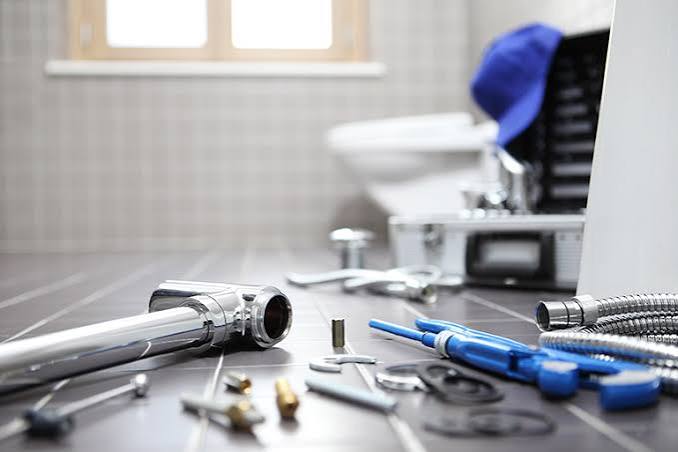
Finding the source calls for patience and a plan. A plumber may begin by checking exposed connections, reviewing the property’s water-line layout, and isolating different sections where possible. Pressure tests can help identify a line that is losing water, while acoustic listening equipment may pick up escaping water beneath the surface. Soil conditions, pipe depth, and nearby noise can affect how well these methods work. Sometimes an exact location remains uncertain until a small area is exposed. Even so, a careful investigation can reduce the need for broad, exploratory digging that leaves the yard looking like a construction site.
Once the likely location is identified, the next conversation should be about repair choices, not simply the fastest way to cover the hole. A small damaged section may be repairable, but a badly corroded or aging line might warrant a wider replacement. The plumber should explain what the pipe is made of, how accessible it is, and what additional problems could appear once the excavation begins. It also helps to ask about restoring disturbed landscaping and testing the line after the repair. Clear expectations make an unpleasant surprise easier to manage, particularly when an underground issue affects more than one part of the property.
There’s a practical reason to act before a wet patch turns into a miniature pond. Continued water loss may waste money, soften soil, and, depending on the location, contribute to damage around hardscaping or structures. If a leak is suspected, avoid excavating near buried utilities yourself and ask about safe next steps. An experienced team such as Wildpine Plumbing can help investigate the symptoms and discuss a sensible way forward. The goal isn’t a perfectly untouched lawn at any cost. It’s finding the trouble with as little unnecessary disruption as possible, repairing it properly, and getting back to enjoying the yard instead of worrying about what lies beneath it.
…