
Knowing When to Seek a More Detailed Spinal Assessment
Scoliosis can look different from one person to another, which is one reason changes in the spine deserve careful attention rather than guesswork. A slight difference in shoulder height may seem harmless at first, yet increasing unevenness, changes in posture, or a curve that appears more noticeable over time can be reasons to seek professional advice. Families who want a clearer idea of what may require closer evaluation can check out this page while also discussing concerns with an appropriate healthcare professional. Early assessment can help determine whether a spinal curve is stable, changing, or beginning to affect comfort and everyday function.
One important sign to watch is visible progression. A shoulder that appears higher than the other, one hip becoming more prominent, or clothing beginning to hang unevenly may suggest that the spinal curve deserves another look. In children and teenagers, growth can make monitoring especially important because some curves can change more quickly during periods of rapid development. Doctors may use physical examination and, when appropriate, imaging to measure the curve and compare it with earlier findings. The goal is not to assume the worst, but to understand whether the scoliosis is remaining stable or moving in a direction that may call for more active care.
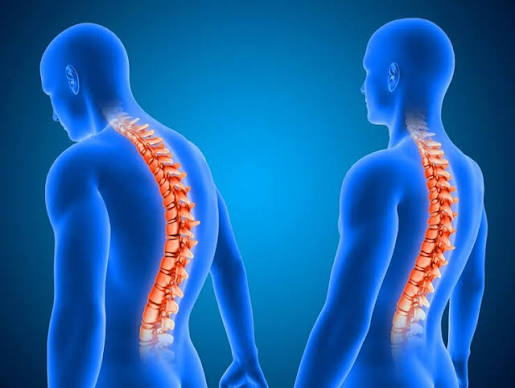
Pain also deserves attention, particularly when it is persistent, worsening, or interfering with sleep, school, work, exercise, or ordinary movement. Scoliosis does not always cause significant pain, so a new or changing pattern should not automatically be blamed on the curve without proper assessment. A healthcare professional can consider other possible causes and decide whether further testing is needed. Numbness, weakness, changes in coordination, or unusual sensations in the arms or legs are more concerning symptoms and should be evaluated promptly, because neurological changes may point to something that requires more urgent investigation.
Breathing difficulty is another symptom that should never be brushed aside. Severe spinal curvature can sometimes affect the space available for the chest and lungs, although this is generally associated with more advanced cases. Shortness of breath, reduced exercise tolerance, or other unexplained breathing changes deserve medical evaluation, especially when they occur alongside a known spinal deformity. Treatment decisions are usually based on several factors together, including the degree and pattern of the curve, age, remaining growth, symptoms, and how quickly the scoliosis appears to be progressing. Depending on the situation, care may involve observation, bracing, rehabilitation, specialist follow-up, or surgery.
Knowing when scoliosis needs more serious attention can take some of the uncertainty out of the process. Visible changes, increasing pain, neurological symptoms, rapid progression, or breathing problems are all reasons to seek a more detailed assessment rather than waiting and hoping the issue settles on its own. People who want to understand the kinds of warning signs that may justify a closer look can check out this page as a starting point, but professional evaluation remains essential for making treatment decisions. The sooner meaningful changes are identified, the easier it becomes to discuss appropriate options and create a care plan based on the person’s actual needs.