
Gentle Stretching Techniques That Can Make Everyday Movement More Comfortable
A lower back that feels stiff before breakfast can turn the simplest routine into a series of careful decisions. Getting dressed takes longer, picking up a laundry basket becomes awkward, and sitting still somehow feels worse than moving. It is no surprise that people search for a stretch they can do right away, perhaps while exploring resources such as bprmethodchiropractic.com. Yet there is an important detail behind any exercise recommendation: the most useful movement is one that suits the person doing it. For uncomplicated muscular stiffness, a few gentle motions may bring welcome comfort. Pain caused by irritated nerves or another condition, however, may call for a different approach.
Consider a pelvic tilt, a modest exercise that can be done lying on the back with knees bent and feet resting on the floor. Rather than forcing the spine flat, gently tighten the abdominal muscles and rock the pelvis just enough to flatten the small gap beneath the lower back. Hold briefly, release, and repeat a few times while breathing normally. The movement should feel controlled, not strenuous. Chiropractors and other musculoskeletal professionals may suggest variations of this exercise because it encourages awareness of how the pelvis and lower back move together. That does not mean it will suit everyone, especially when certain positions increase symptoms.
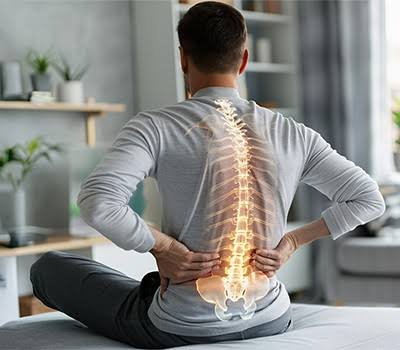
Another option for some people is a single knee-to-chest stretch. While lying comfortably on the back, bend both knees, then bring one knee toward the chest using the hands for light support. Keep the other foot on the floor, relax the shoulders, and hold only within a comfortable range before switching sides. There is no need to pull hard or chase a dramatic stretch. A gentle feeling through the hip or lower back is enough. For people who prefer movement over a sustained hold, slowly moving between comfortable positions on hands and knees may also help. The point is ease, not an impressive range of motion.
What often gets overlooked is how much the body tells someone during a stretch. A mild pulling sensation can be normal, but sharp pain, increasing tingling, or discomfort shooting farther down a leg is a sign to stop. It can also help to move in small amounts throughout the day, rather than saving every bit of activity for one stretching session. Standing up between long periods of sitting or taking a short walk may be manageable ways to stay mobile. Anyone with a recent injury, ongoing nerve symptoms, or pain that keeps worsening should seek qualified medical advice before experimenting with exercises.
Most importantly, stretches are tools, not tests of toughness and certainly not a cure for every aching back. A qualified clinician can assess what triggers the symptoms and suggests movements that match an individual’s needs and limitations. Seek urgent medical attention for new loss of bladder or bowel control, numbness around the groin, or rapidly developing leg weakness. Otherwise, start gently, notice how the back responds later in the day, and adjust rather than pushing through discomfort. Progress may be as ordinary as bending to tie a shoe with less hesitation. Those small, practical improvements are worth far more than forcing one supposedly perfect stretch.